
What is ayahuasca? The plants, the effects and the risks



 ·
8 min read
·
8 min read
Ayahuasca is a brew made from two plants that grow in the Amazon: the Banisteriopsis caapi vine and the leaves of the Psychotria viridis shrub. Drunk together, they cause a strong psychedelic experience that lasts several hours and usually comes with nausea and vomiting.
Two Birds Church is a small church in Anna, Texas, and ayahuasca is our sacrament. We’ve held ceremonies since 2010. This is what we’d want anyone to know before they think about drinking it, including the hard parts and the parts nobody fully understands yet.
The two plants and how they work together
The vine, Banisteriopsis caapi, is the plant that gives the brew its name. “Ayahuasca” comes from Quechua, a language of the Andes, and is usually translated as “vine of the soul” or “vine of the dead”. In Colombia the brew is often called yagé.
The leaves of Psychotria viridis, called chacruna in Peru, contain DMT (dimethyltryptamine), a strong psychedelic. Swallowed on its own, DMT does very little. Enzymes in the gut and liver called monoamine oxidase (MAO) break it down before it reaches the brain.
That is where the vine comes in. It contains harmine and related compounds called harmala alkaloids, which block one form of that enzyme, MAO-A, for a few hours. With the enzyme blocked, the DMT from the leaves gets through. The leaves need the vine to work when you drink them.
The same enzyme block is why ayahuasca can be dangerous with some medications. More on that below.
Brews are not all the same. Some groups add other plants, and the strength changes from batch to batch with the plants used and how long they’re cooked. At Two Birds Church we use only the two plants, with no additives. Right now our vine is a yellow ayahuasca vine from Ecuador. Church leaders brew it on site, and every batch is measured and recorded.
Where ayahuasca comes from
Many Indigenous peoples of the Amazon basin, in what is now Peru, Brazil, Colombia and Ecuador, drink ayahuasca in ceremony. Among the Shipibo-Conibo of Peru, ceremonies happen at night in a ceremony house called a maloka, led by a curandero who sings songs called icaros.
How old the practice is isn’t known for certain. In 2019 researchers described a leather pouch about 1,000 years old, found in a rock shelter in Bolivia, that held traces of both DMT and harmine along with other plant drugs (the study). It may point to an early ayahuasca-type preparation. It doesn’t prove the brew was drunk back then.
In the 20th century ayahuasca spread beyond the forest. Brazilian religions such as Santo Daime (founded in the 1930s) and the União do Vegetal (founded in 1961) took it as their sacrament, and in recent decades people from all over the world have traveled to retreats in South America to drink it.
Our own ceremonies come from the Amazonian tradition and draw on Shipibo practice. James, who leads them with Christina, first sat with ayahuasca in 2009 and went to Peru in 2010 to study Shipibo traditions under Don Enrique. We keep the darkness, the silence and the songs, and we add songs in English and what modern psychology has taught us.
What people experience
Effects usually begin within an hour of drinking and last several hours. Our ceremony nights run at least six. No two nights are alike, even for the same person, but these are common:
- Nausea and vomiting, sometimes diarrhea. In the Amazonian tradition vomiting is called purging, and it’s expected. Everyone in our ceremonies has their own bucket.
- Visions, often with your eyes closed: patterns, scenes, memories, figures.
- Strong emotions, sometimes one after another: fear, grief, anger, relief, love.
- Memories and thoughts you’ve been avoiding.
- Body sensations such as shaking, sweating, feeling hot or cold, and a faster heart rate and higher blood pressure.
- Stretches of stillness or clarity, and some nights very little at all.
It can be very hard. People describe hours of fear, feeling like they’re losing their mind, or feeling like they’re dying. Once you’ve drunk it, you can’t switch it off. You’re in it until it wears off.
In our church we expect the night to be hard, and we treat that as part of the work. When frightening figures show up, we don’t treat them as spirits or outside beings. We see them as pictures of your own inner life: fears, old wounds and feelings you’ve pushed down. The work is to stay with what comes up instead of fighting it or running from it. Even a night spent noticing your own resistance teaches you something. We wrote more about this in facing your triggers in ceremony and in the pre-purge, the feelings that often stir in the weeks before.
The real risks
Ayahuasca is not safe for everyone, and some of the risks are serious.
Medications and supplements
Because the vine blocks MAO-A, ayahuasca can interact dangerously with drugs that raise serotonin. Antidepressants are the big one. SSRIs, SNRIs and MAOIs combined with ayahuasca can cause serotonin syndrome, which can be life-threatening. Stimulants (including ADHD medication), some cold and cough medicines, and supplements such as St. John’s wort and 5-HTP are also a problem.
Never stop or change a medication on your own so you can drink ayahuasca. Some are dangerous to stop suddenly, and coming off them safely can take months. That decision belongs to you and the doctor who prescribes it.
Heart and blood pressure
Ayahuasca raises heart rate and blood pressure for a while. With a heart condition or high blood pressure, that can be dangerous. We don’t accept anyone with uncontrolled blood pressure or a serious heart condition, and we check blood pressure on the day. Pregnancy also rules it out.
Mental health
A personal or family history of psychosis, schizophrenia or bipolar disorder is a serious risk. Ayahuasca can set off psychosis or mania in people who are vulnerable to it. Someone in an active mental health crisis should not drink it. If you’re struggling, a doctor or therapist is the right first call.
Who serves it
A brew of unknown strength, a leader who doesn’t screen people, and no plan for emergencies all add risk. Wherever you’re thinking of drinking, ask what’s in the brew, how they screen for medications and health conditions, and what they do if something goes wrong.
If you’re considering ayahuasca, talk to a doctor first, and tell them about every medication and supplement you take.
What isn’t known
Researchers know which compounds are in the brew, but how ayahuasca produces its effects in the brain is still not well understood. Studies of ayahuasca and mental health so far are small and early, and the long-term effects of drinking it many times have been studied even less. It is not an approved treatment for any condition, and we don’t offer it as one. Nobody can tell you in advance what your night will be like or how hard it will be.
How Two Birds Church understands ayahuasca
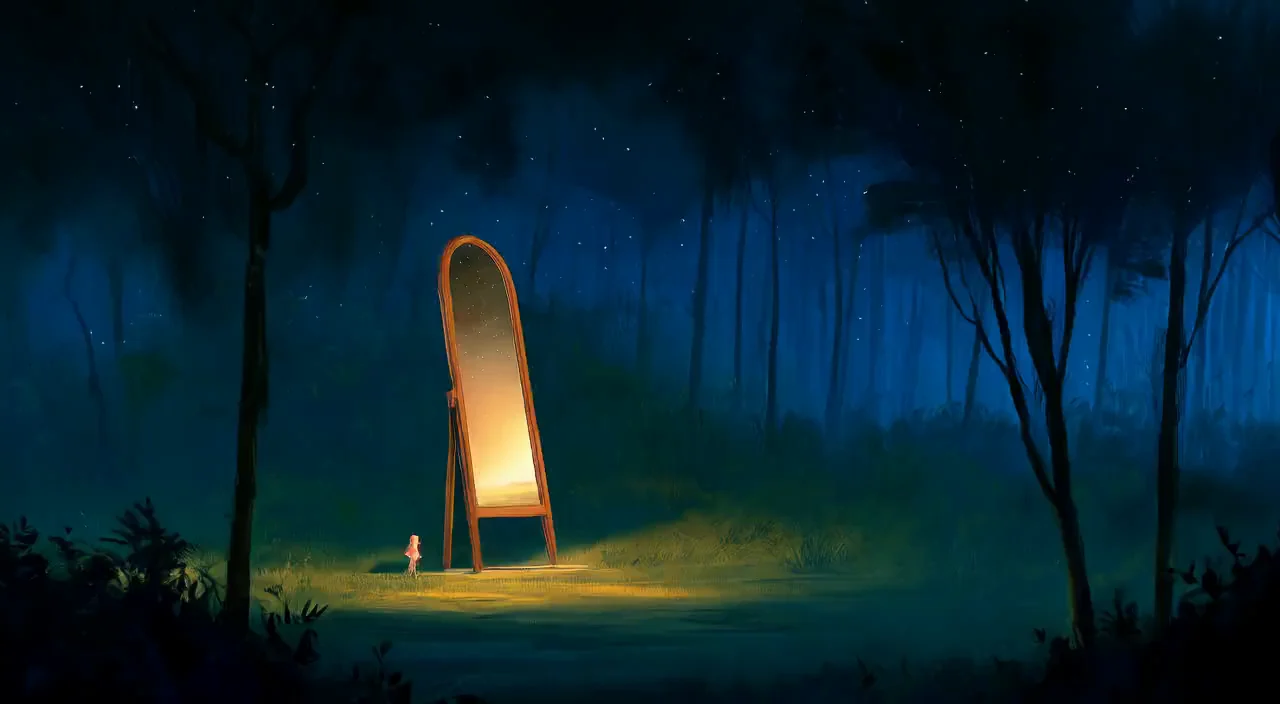
For us, ayahuasca is a sacrament and a teacher. We say it works like a mirror. It doesn’t heal us directly, and it doesn’t change us on its own. It shows us what we need to see, face or let go of, and any change comes from what we do with that afterwards.
That puts the responsibility on each person. What comes up in ceremony is yours: your fears, your reactions, your patterns. Nobody in the room heals you, and James and Christina don’t claim to heal anyone. Their job is to keep the room safe so each person can sit with themselves.
Most of the work happens after the night is over. A big experience can also become a way to avoid ordinary problems, which the psychologist John Welwood called spiritual bypassing. Integration means carrying what you saw into how you actually live: how you react, what you own, what you stop blaming on other people. That’s why ceremony is only one part of church life. We meet every Sunday, and some members come every week and never sit in ceremony.
Ceremonies are by invitation. Anyone who wants to sit with us first becomes a member through the free Welcome course, then completes the Sacred Ceremony Preparation Course, a readiness form that is reviewed for medications and health conditions, and a meeting with us. James and Christina may decline anyone.
More from us on ayahuasca: what an ayahuasca church is, what happens at a ceremony, and how to prepare for ayahuasca.
To meet us, come to Sunday Service, Sundays 3 to 6pm in Anna, or start with the Welcome course; our ceremonies are by invitation only.