
What happens at an ayahuasca ceremony, hour by hour



 ·
8 min read
·
8 min read
An ayahuasca ceremony is a night spent drinking ayahuasca, a brew of two Amazonian plants, with a small group in a dark, quiet room, guided by the people who lead it. At Two Birds Church the night runs from 8 PM to about 3 AM: you lie on your own mat, the brew is poured in small cups through the night, music and silence take turns, and most of what happens goes on inside you.
Every group runs ceremony its own way. What follows is how our church in Anna, Texas does it. Group size, the number of cups, whether the leaders drink, the music and whether there is medical staff on site all change from one place to the next, so ask anyone you plan to sit with how they work.
What ayahuasca is
Ayahuasca is brewed from the Banisteriopsis caapi vine and the leaves of the Psychotria viridis shrub. The leaves contain DMT, a strong psychedelic. The vine contains harmine and related harmala alkaloids, which briefly block an enzyme called MAO-A. That is what lets the DMT work when you drink it, and it is why there are diet and medication rules beforehand. Our brew is those two plants and nothing else.
In our church ayahuasca is the sacrament. We call it a teacher that works like a mirror. It doesn’t heal anyone directly. It shows you what you have been avoiding, and what you do with that is up to you.
Before the night
Ceremonies are by invitation. Before a first ceremony, a person becomes a member through our free Welcome course, works through the Sacred Ceremony Preparation Course, fills out a Ceremony Readiness Form about their health, medications and mental health history, and meets James and Christina on Zoom or at a Sunday Service. Our medical consultant, a board-certified psychiatric pharmacist, reviews any medication or condition that needs a clinical look. James and Christina can decline anyone. For the two weeks before, people stop alcohol and recreational drugs and ease into a lighter diet.
Arrival
A first ceremony is always a two-night weekend. People arrive Friday at 7 PM, check in for the overnight stay and meet the rest of the group (six people at most) and the two facilitators. We check everyone’s blood pressure on the day; it needs to be under 140/90. Phones, keys, watches and anything else that gives off light are collected and handed back the next morning.
At 7:30 we sit down together and go through every ceremony procedure in detail, so nobody is guessing how things work once the lights go out. Then each person sets an intention for the night.
The room
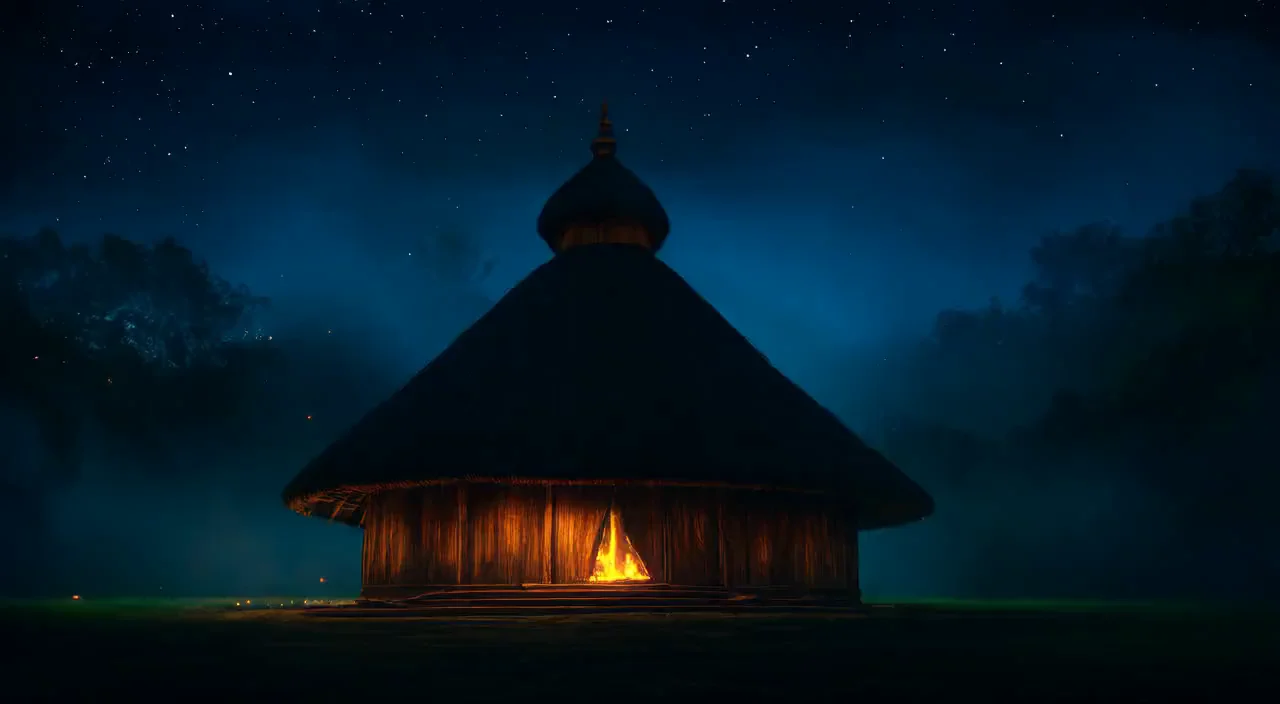
Ceremony happens in complete darkness. For now our ceremony room is a converted garage in James and Christina’s home, the same room we use for Sunday Service, until the larger maloka (ceremony house) we are raising money for is built. Each person has their own place for the night: a thick memory foam mattress with sheets, a blanket and a pillow, plus a bucket and tissues. Only the facilitators talk. Everyone else keeps silent, apart from the natural sounds people make as things come up and out.
The cups
The first ceremony starts at 8 PM. The sacrament is poured in steps. The first cup is a light dose. A second and a third cup are optional, and offered only to people who have shown they can sit with the cup before. You can ask for a half or a quarter cup, and the facilitators can decline to pour more for your safety. Only ayahuasca brewed and kept by the church is served, and it never leaves the church.
Everyone drinks, James and Christina included, so no one in the room is sober. They stay calm and watchful all night and check on each person by sight. Some groups keep their leaders sober, so this is a fair question to ask wherever you go.
Staying on your mat
You stay in the room until the ceremony ends, and you are encouraged to sit back or lie down. The only reason to leave is the bathroom, and a facilitator walks you there and back. If someone isn’t stable, a facilitator stays with them. The room stays closed until the end of the night.
Purging and other release
Ayahuasca often makes people vomit. We call it purging, and it’s what the bucket is for. Some people get diarrhea, which is why we ask everyone to pack plenty of spare clothes. Release also comes as tears, laughter or long stillness. All of it is welcome.
What happens inside varies a lot. Most people feel something, but how much differs from person to person and from night to night. Some people see shadows, figures or what look like entities. We don’t treat these as real beings. We see them as pictures of your own inner life: fears, old hurts and buried feelings coming up to be looked at. Ayahuasca tends to teach by making you sit with what you most want to avoid, and how far a night goes depends a lot on whether you let yourself feel it or fight it. Even a night spent noticing your own resistance shows you something about how you hold on. Our post on facing your triggers in ayahuasca ceremony goes further into this.
Music and silence
Christina and James carry the night with music: icaros (the traditional songs of Amazonian ayahuasca ceremonies), songs in English and music from other traditions, with singing bowls, drums, flutes and chimes. Some of it is gentle. Some of it is hard to sit through, on purpose, because it helps feelings come up and move. Between songs there are stretches of silence, and many people find that’s when they hear their own thoughts most clearly.
The darkness, silence and song come from the Shipibo tradition of the Peruvian Amazon. The English songs and the attention to psychology are ours.
Who leads
James Elrod and Christina Titus lead every ceremony together. James founded the church. He first sat with ayahuasca in 2009, and in 2010 he went to Peru and completed an eight-week initiation in the Shipibo-Conibo tradition with Don Enrique, at the Ayahuasca Foundation near Pucallpa. He has led ceremonies ever since. Christina brings the music.
Neither of them claims to heal anyone. Their job is to keep the room safe and steady so each person can do their own work. Whatever comes up for you is yours to look at.
When the night ends
The ceremony closes around 3 AM, and warm soup and tea are ready. People eat a little and go to bed in the bunk rooms. Men and women sleep in separate rooms.
The next day and the second night
Saturday is slow. Breakfast is self-serve from 8 AM, lunch is together at 1:30, and the afternoon is free for a nap, some journaling or a one-on-one talk with James or Christina. At 5:30 we drink cacao together and share what came up the night before. The second ceremony starts at 7:30 PM and runs the same way.
On Sunday there’s breakfast, then a closing circle at 10 AM where everyone talks about the weekend and starts working out what to do with it. People can leave from 11. (A three-night weekend starts on Thursday instead. One-night ceremonies are only for people who have sat with us before.)
Integration afterward
We are a church, not a retreat center, and the weekend is the start of the work. Integration means carrying what you saw into how you actually live: the conversation you have been putting off, the habit you can finally see, the reaction you now recognize as your own. That takes weeks and months of ordinary life.
On the Sunday of a ceremony weekend, people are welcome to stay for Sunday Service from 3 to 6 PM, and to keep coming after. It’s a circle of people talking honestly about their own lives, with no advice-giving and no fixing. Our post on integration after ayahuasca covers what that looks like week to week.
Questions to ask any group
Wherever you sit, you should be able to get straight answers to these before you drink:
- Who leads, and where did they train?
- Who reviews my medications and health history, and what are they qualified in?
- What is in the brew?
- How is the dose decided, and can I take less?
- Do the leaders drink? Is there medical staff on site?
- How many people are in the room?
- What happens after the weekend is over?
More from us on ayahuasca: what ayahuasca is, what an ayahuasca church is, and how to prepare for ayahuasca.
If you’d like to meet us first, come to Sunday Service, Sundays 3 to 6pm in Anna. Ceremony starts with our free Welcome course, and ceremonies are by invitation.