Third eye chakra (Ajna): intuition and clarity


 ·
4 min read
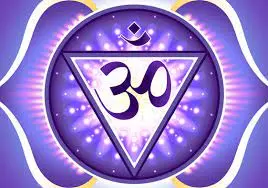
In yoga tradition, the body has seven main energy centers, called chakras, that run from the base of the spine to the top of the head. The third eye chakra is the sixth, between the eyebrows. Its Sanskrit name is Ajna, usually translated as “command” or “perceive.” Its color is purple or indigo, and some teachers link it to the pineal gland.
What it’s about
Chakra teachers link the third eye chakra to intuition and self-realization. The tradition says it’s balanced when you follow your intuition along your life’s path. People describe that as being intuitive, imaginative, perceptive and open-minded, open to truth and change, able to recall their dreams, and having a sense of clarity and inner wisdom.
In everyday terms, this is self-trust: the quiet sense of what’s true for you, under the noise of fear and other people’s opinions, and the clarity to see your situation as it is rather than as you’re afraid it is.
When it feels out of balance
Chakra teachers link an unbalanced third eye with feeling overwhelmed, mental fog, poor decisions, and a lack of intuition, concentration or creativity. They also name being indecisive, confused, fearful, close-minded, anxious, isolated, scatterbrained, paranoid or unmotivated. In chakra teaching the chakras work like a chain reaction, so one out of balance makes it harder to balance the ones above it.
None of that means you’ve done anything wrong. Everyone needs extra work in some areas. Instead of hunting for a block, ask what’s drowning out your own sense of things. Is it fear? Too much input? A habit of asking everyone else before you ask yourself? And when did you last trust your gut, and what happened?
If any of this is heavy or won’t lift, talk to a doctor or therapist. A chakra practice is a support, not a treatment.
Ways to work with it
Start by making room to hear yourself. Quiet time, less noise, and a few minutes of journaling when you have a decision to make all help. Write down what you think before you ask anyone else.
Yoga also helps. If pretzel shapes and forearm stands are what come to mind, know that plenty of poses are easy for beginners. Common third eye poses are downward-facing dog, child’s pose, standing forward fold, bound angle pose and forearm stand. The tradition says any pose where your head touches or faces the ground suits this chakra. A quick YouTube search will turn up third eye routines.
For a short practice, sit with your eyes closed and bring your attention to the space between your eyebrows. Breathe slowly. When thoughts come, notice them without following them. Afterward, write down anything that felt clear.
Some people also use the tradition’s extras, as small daily habits with intention behind them. Because this chakra’s color is purple or indigo, they eat purple foods like blueberries, blackberries, purple grapes, plums, prunes, figs, eggplant, purple potatoes and purple cabbage, or wear purple. Some diffuse or anoint themselves with basil, frankincense, juniper, patchouli or rosemary oil, or take an evening bath with oils and a bowl of fruit nearby. Some carry or meditate with purple fluorite, lapis lazuli, sodalite, lepidolite, rainbow moonstone or labradorite, sometimes resting a stone on the forehead while lying down.
Affirmations are short statements you repeat to yourself in the present tense. A few for the third eye chakra:
- I see and think clearly.
- I am intuitive.
- I trust my intuition to guide my decisions.
- Everything I seek I have within me.
- I trust the signs and synchronicities shown to me.
Healing isn’t linear. If one tool doesn’t help, there are others to try, and little thoughtful changes can go a long way.
A question to sit with
- What do I already know that I keep second-guessing?
- Whose voice do I listen to before my own?
- What would I do here if I trusted myself?
The seven chakras