
Root chakra (Muladhara): safety and ground




 ·
4 min read
·
4 min read
In yoga tradition, the body has seven main energy centers, called chakras, that run from the base of the spine to the top of the head: root, sacral, solar plexus, heart, throat, third eye and crown. The root chakra is the first, at the base of the spine and the pelvic floor. Its Sanskrit name is Muladhara: mula means root and adhara means support. Its color is red.
What it’s about
Chakra teachers link the root chakra to your basic human needs: security, stability, safety and self-image. The tradition says that when those needs go unmet over the years, the root chakra becomes blocked, and that when they’re met you feel calm, grounded, safe and supported.
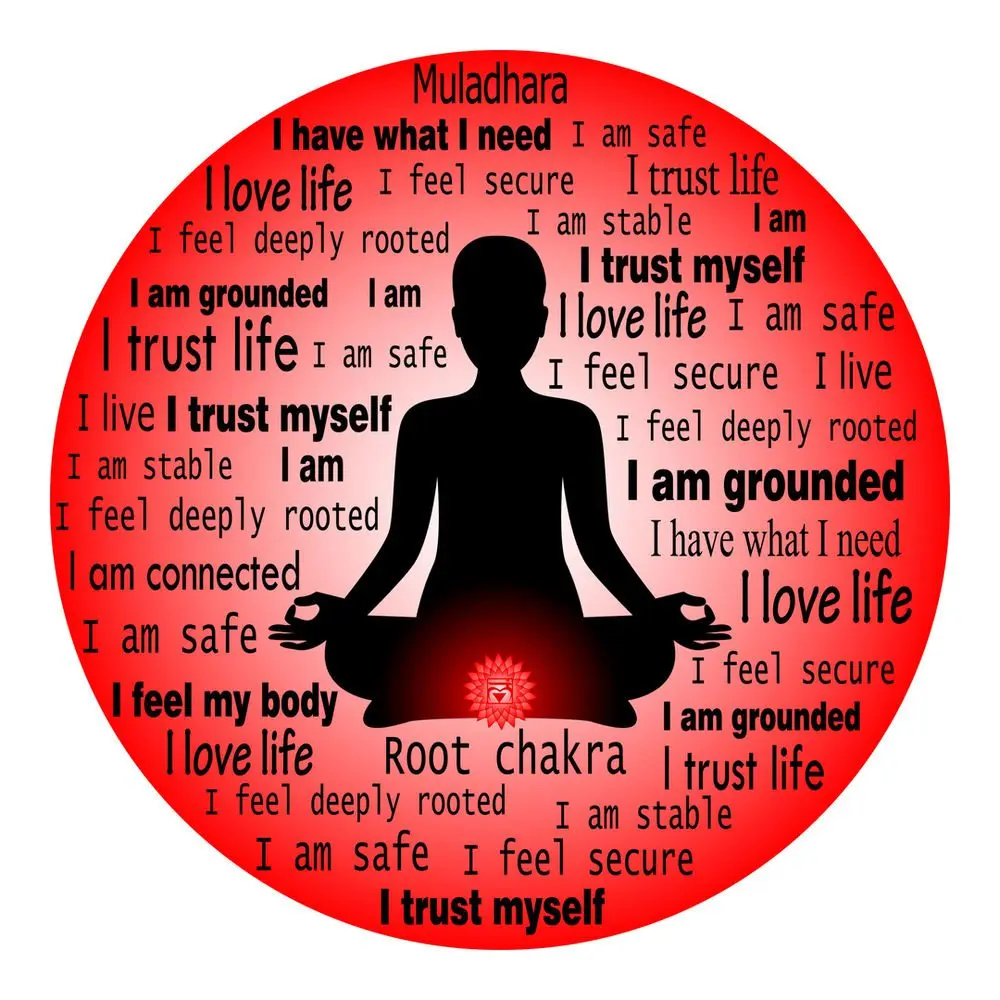
Put plainly, this is the ground floor of your inner life. Do you have enough to eat, a safe place to sleep, steady work, people you belong with? Can you say no when something isn’t okay for you? Anyone who has sat in a recovery circle or a therapist’s office will know the list: safety, basic needs, belonging and boundaries. When those are shaky, everything built on top of them feels shaky too.
Self-image sits here as well. It means how you see yourself, whatever anyone else thinks of you. Accepting yourself and being plainly you is part of standing on solid ground.
When it feels out of balance
Chakra teachers link an unbalanced root chakra with feeling insecure, feeling like you don’t belong, being worn out and unable to focus, feeling overwhelmed all the time, living in survival mode, and carrying a lot of fear. The tradition says it comes from neglecting your basic needs, and that self-neglect shows up in small ways too: eating badly, talking down to yourself, letting your boundaries slide.
Those feelings are real and worth listening to, whatever you call them. So instead of asking what’s blocked, ask what’s missing. Which basic need isn’t being met right now: rest, food, money, a steady home, people you can count on? Is there a boundary you haven’t set, or one you keep letting people cross? The answer is usually something you can act on.
If any of this is heavy or won’t lift, talk to a doctor or therapist. A chakra practice is a support, not a treatment.
Ways to work with it
Start with the basics, because that’s what this chakra is about. Eat real food, drink enough water and move your body. Even a shower, a walk or some time outside in nature can help you feel grounded again.
Then look at safety and stability. Work out what your boundaries are and keep them. Getting out of your comfort zone is good; putting yourself in harm’s way, or staying somewhere that drains you, is something else. The same goes for work. Hopping from job to job or staying in a toxic workplace wears you down, and steady work does a lot for your sense of security.
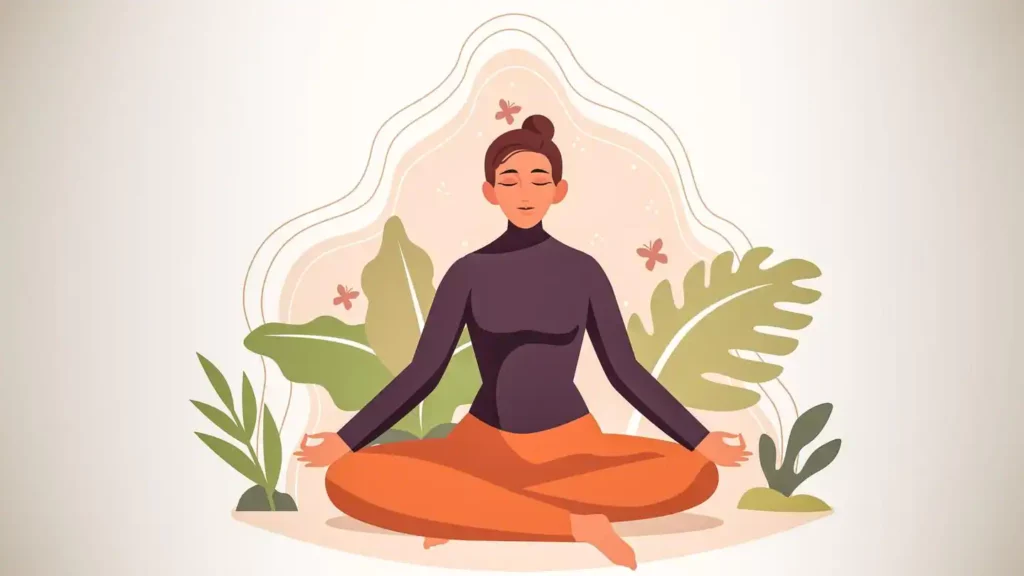
Yoga helps you stay centered and gets your body moving. Common root chakra poses are Malasana (garland pose), Uttanasana (standing forward fold), Janu Sirsasana (head-to-knee forward bend) and Sukhasana (easy seated pose). You can do them at home or somewhere safe outdoors. If the names look a bit scary, that’s fine: a quick YouTube search for root chakra yoga will turn up beginner routines.
For a short practice, sit on the floor or on the ground, feel the weight of your body, and breathe slowly into your belly for a few minutes. Notice what in you feels steady and what doesn’t.
Some people also use the tradition’s extras. Because the root chakra’s color is red, they eat red foods and root vegetables: red apples, raspberries, strawberries, red bell peppers, tomatoes, potatoes, onions, carrots, ginger and radishes. Some diffuse or wear essential oils like cedarwood, frankincense or patchouli, and some carry or meditate with crystals such as carnelian, black tourmaline or red jasper.
Affirmations are short statements you repeat to yourself in the present tense. A few for the root chakra:
- I am connected to the energy of the universe.
- My body, mind and spirit are grounded, safe and secure.
- My energy is firmly rooted in the earth.
- I am safe. I am secure. I am stable.
There’s no one right way to do this. Take what helps and leave what doesn’t.
A question to sit with
- Where in my life do I feel safe, and where don’t I?
- What basic need have I been putting off?
- What boundary do I need to set, or keep?
So, what does balance mean to you?
The seven chakras