
Building our Maloka: progress and plans




 ·
6 min read
·
6 min read
This update was written in October 2023 and is a record of where the build stood then. For the current goal, see the Maloka Donor Project.
From the start, our Maloka has been a community project as much as a building. We’re getting close to finishing it, so here’s a look back at each step so far and the steps still ahead.
Phase 1: Beginnings and a bridge
Goal: $10,000. Completed!
Phase 1 is where it all began. If you’ve visited the site, you’ve seen the creek that runs between the road and the construction area. It’s beautiful, and it was our first big problem. To get equipment, materials and helping hands onto the site, we needed a bridge.
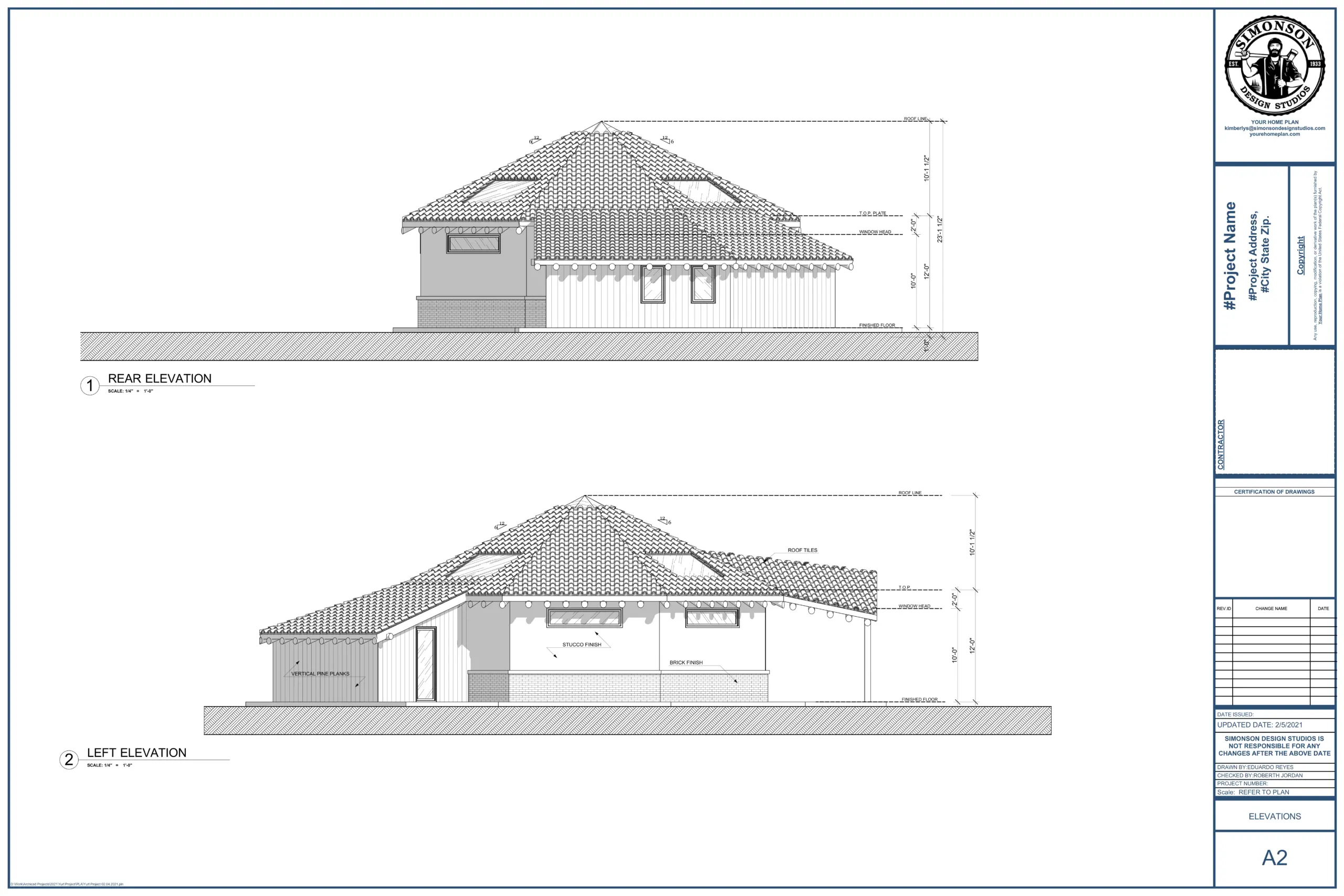
Our first bridge didn’t survive the early rains. It was a setback, and a lesson. We went back and built a solid concrete bridge that can take all kinds of equipment and trucks. With it in place, heavy machinery came in to level the ground for the foundation. Phase 1 also covered drafting the blueprints and working through the design.
Phase 2: Foundations
Goal: $20,000. Completed!
Phase 2, with its $20,000 budget, is where we literally laid the groundwork. It wasn’t a straight path.
Our design is unusual, and not every contractor wanted to take it on. We met with half a dozen of them, and none were the right fit. It was funny, in a way: the uniqueness we loved about the design was the very thing getting in our way.
Thanks to the support and donations from our community, we eventually found a contractor who understood the vision and was as excited to build it as we were. We broke ground, poured concrete, and watched the foundation take shape.
Phase 2 also started the plumbing, laying the lines for the 4 toilets, 3 showers and sinks that later phases would finish.
Phase 3: The building’s backbone
Goal: $89,000. Completed!
Phase 3 ran for over a year after Phase 2 wrapped up, and it was our hardest phase yet.
We started out hopeful and sent our plans out for estimates. The estimates for rough framing and roofing came back far beyond our budget, some as high as $200,000. Contractors hesitated, turned us down, or stopped answering once they saw how complex the design was. There were plenty of false starts.
After many conversations and meetings, we found a contractor who got as excited about the project as we were and was glad to take on something other than a cookie-cutter job.
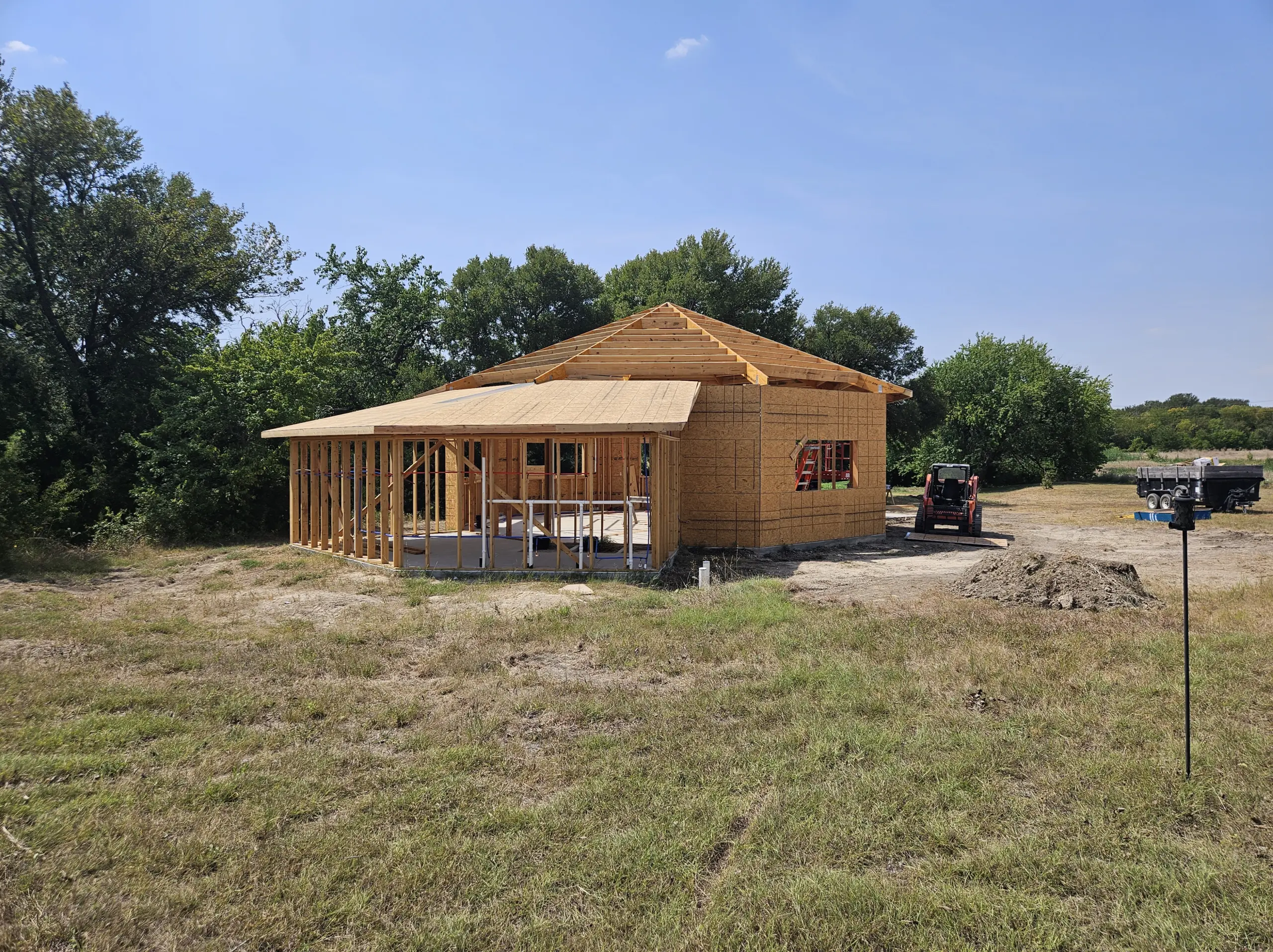
This phase gave the Maloka its skeleton. We spent $72,000 on framing and roofing and came out with a solid structure, roof and windows in. We also brought water from the road to the site and set the internal plumbing, for another $17,000.
By the end of Phase 3, the Maloka was standing.
Phase 4: Battening down the hatches
Goal: $15,000
After Phase 3, with close to $120,000 invested, we want to show you what has been spent and lay out the plan for the phases still ahead.
Phase 4 is about protecting what we’ve built from the weather. The windows are in, but the outside of the building is still exposed. The roof soffits aren’t finished, and the doors aren’t in yet.
The plan, with our current contractor, whose work has been excellent, is to spend $15,000 to finish the roof soffits, put up the siding (ready for a mosaic later), and install the double entrance doors and the outside bathroom doors.
It’s a smaller phase than the ones before it, but it matters. Winter is coming, and we want the building to come through it undamaged.
Phase 5: Let there be light
Goal: $20,000
With the building closed up, Phase 5 is electricity.
We met with the power company, and their quote to run the electrical lines underground to the site is $10,000. That only gets power to the site. The wiring inside, done to code, is a separate job, with an initial estimate of about another $10,000. That makes Phase 5 roughly $20,000 in total.
Several kind people have offered to help, and we’re grateful. Electricity is a safety issue, though, so we strongly prefer to have a licensed and insured electrician do this work.
Phase 6: Septic
Goal: $10,000
Phase 6 is a septic system. We’ve talked with several septic specialists and the path looks simple: design, permits and installation come to about $10,000.
The one catch is that water and electricity have to be in first, so septic comes after the electrical phase.
Phase 7: Heating and air
Goal: $20,000
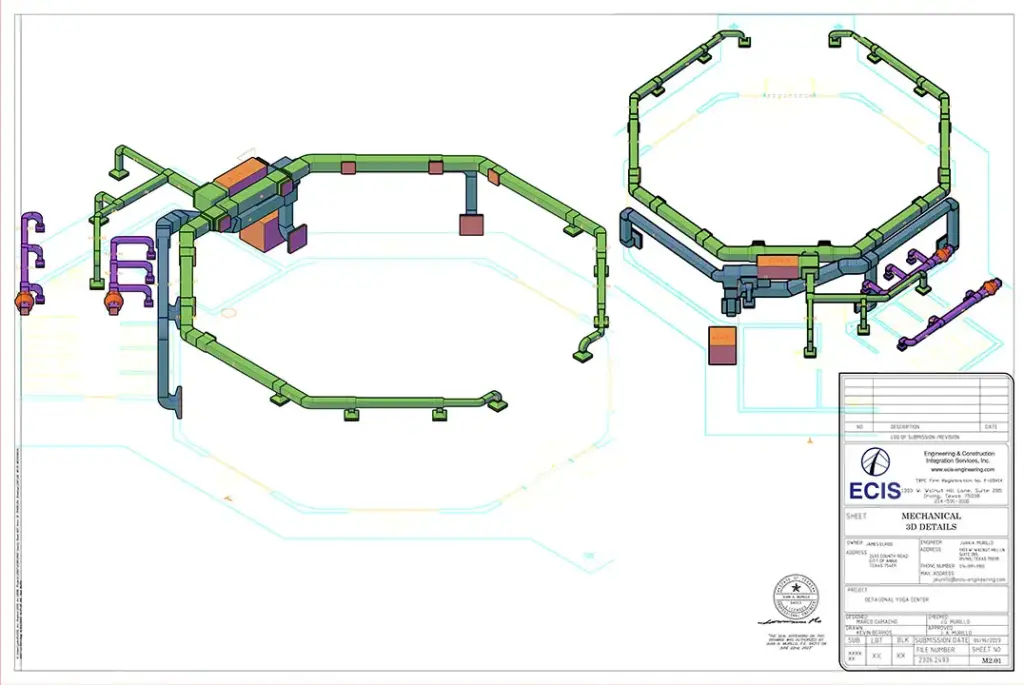
Phase 7 is HVAC (heating, ventilation and air conditioning), so the space stays comfortable whatever the weather.
We already paid for a careful design, and the plans include an HVAC system made for this unusual building. The $20,000 goal covers the custom ductwork, a 5-ton unit and the installation.
Phase 8: Finish-out
Goal: $10,000
Phase 8 is the finish-out, the last phase. Up to this point we’ve built the bones and the systems of the building. Now come the insulation and the walls, so the inside is warm and welcoming. The budget for this is $10,000.
This is where the community can pitch in. Painting and trim work are jobs many hands can do, which saves money and makes the building a little more ours.
When it’s done, the Maloka will be a place for Sunday services, ceremonies and gatherings all year round.
Where that leaves us
As of this update, we’ve put $120,000 into the Maloka, and about $75,000 remains. That’s a big number, but the most expensive and complicated work is behind us. From here, each phase should take a few months.
We’re sharing this breakdown so you can see where the money has gone and what’s left. You, our supporters, got us this far, with every donation, every bit of encouragement and every story shared. Thank you. Let’s keep going.
How you can help
For the current goal, see the Maloka Donor Project.
- Make a donation. A one-time gift of any size moves us closer.
- Become a monthly subscriber. Regular giving gives us a steady base to plan from.
- Ask about corporate matching. Many companies match their employees’ donations to a 501(c)(3) of their choice. Ask your employer, and your gift could count twice.
Every contribution, big or small, brings us closer.
Two Birds Church
2 Comments
Leave a Comment
You must be logged in to post a comment.
It looks amazing!
Awesome!